
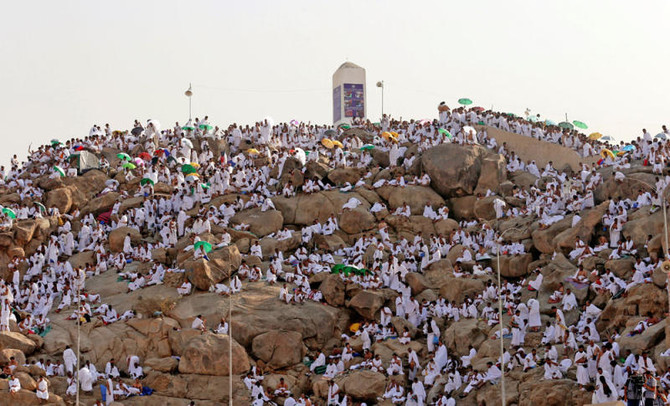
The day of Arafah
The Day of Arafah (Yawm Arafah) is the 9th day of the Islamic month of Dhu al-Hijjah and one of the most significant days in the Islamic calendar. It is the day preceding Eid al-Adha and holds great importance for both those performing the Hajj pilgrimage and Muslims around the world. For pilgrims, it is the pinnacle of Hajj, where they gather on the plain of Arafat to stand in prayer and supplication. For non-pilgrims, it is a day of fasting and seeking Allah’s forgiveness and mercy, with fasting on this day believed to expiate the sins of the previous and coming year.
The day of Arafah
The Day of Arafah (Yawm Arafah) is the 9th day of the Islamic month of Dhu al-Hijjah and one of the most significant days in the Islamic calendar. It is the day preceding Eid al-Adha and holds great importance for both those performing the Hajj pilgrimage and Muslims around the world. For pilgrims, it is the pinnacle of Hajj, where they gather on the plain of Arafat to stand in prayer and supplication. For non-pilgrims, it is a day of fasting and seeking Allah’s forgiveness and mercy, with fasting on this day believed to expiate the sins of the previous and coming year.
Steps of the Day of Arafah for Pilgrims:
1. Journey to the Plain of Arafat
On the morning of the 9th of Dhu al-Hijjah, pilgrims travel from Mina to the plain of Arafat, located about 20 kilometers from Mecca. This is the site where the most important rituals of Hajj take place.
2. Wuquf (Standing at Arafat)
The central ritual of the Day of Arafah is Wuquf or the "standing" at Arafat. From noon until sunset, pilgrims engage in deep prayer, reflection, and supplication, asking for Allah’s forgiveness. They stand in humility before Allah, seeking His mercy. This gathering symbolizes the Day of Judgment, and it is considered the most critical part of Hajj.
3. Dhuhr and Asr Prayers
Pilgrims perform the Dhuhr (noon) and Asr (afternoon) prayers together at Arafat, combining and shortening them as part of the pilgrimage rites.
4. Sermon of Arafah
At the Masjid Namirah, located on the plains of Arafat, a sermon is delivered to the pilgrims. This sermon is a reminder of the principles of Islam, the unity of the Muslim Ummah, and the importance of repentance and devotion.
5. Supplication and Reflection
Pilgrims spend the rest of the time until sunset in prayer, seeking forgiveness, and making heartfelt du’as (supplications). This is considered the best time for making du’a, and pilgrims are encouraged to ask for whatever they wish, both for themselves and others.
6. Leaving Arafat
After sunset, pilgrims leave Arafat and travel to Muzdalifah, where they will spend the night in the open under the stars. In Muzdalifah, pilgrims collect pebbles to be used in the symbolic stoning of the devil at Mina the next day.
For Non-Pilgrims:
1. Fasting on Arafah
For Muslims who are not performing Hajj, fasting on the Day of Arafah is highly recommended. The Prophet Muhammad (PBUH) said that fasting on this day expiates the sins of the previous year and the upcoming year (Sahih Muslim).
2. Increased Worship and Supplication
Non-pilgrims are encouraged to engage in increased acts of worship, including making du’a, seeking Allah’s forgiveness, reciting the Qur'an, and performing good deeds. It is also a time to reflect on personal faith and strive for spiritual renewal.
The Day of Arafah is a time of immense mercy and blessings, providing an opportunity for Muslims to seek forgiveness, strengthen their connection with Allah, and unite in worship across the globe.